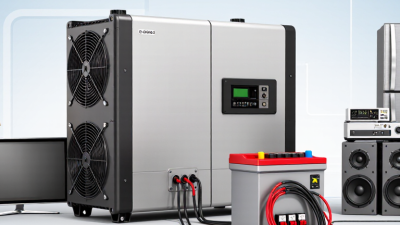
How to Choose a Modified Sine Wave Inverter?
Choosing the right Modified Sine Wave Inverter is more than matching watts to a device label. The inverter must suit the load, battery system, operating time, and installation environment. A small television may work normally, while a refrigerator compressor can hum, start slowly, or draw excessive current. That difference matters.
A reliable selection process begins with the inverter’s continuous rating and surge capacity. Check the appliance’s starting demand, not only its running wattage. For example, a 600-watt pump may briefly require more than 1,500 watts. Battery voltage also deserves attention. A 12-volt system supplying heavy loads can pull substantial current, causing warm cables and voltage loss. In practice, short cables, correct fuses, and tight connections often affect performance as much as the inverter itself.
Modified wave output is not automatically unsuitable. It can power many basic resistive loads, including lamps, heaters, and some simple tools. However, sensitive electronics, medical equipment, variable-speed motors, audio systems, and modern chargers may need a pure sine wave. Manufacturer guidance should take priority over assumptions. Check the user manual, protection features, cooling method, USB or charging ports, and independent safety certifications. These details provide stronger evidence than impressive marketing claims.
There is no universal choice. Cost can be attractive. Long-term reliability may not be. I have seen buyers focus on peak wattage and overlook idle consumption, noise, or battery compatibility. That is an easy mistake. This guide explains how to compare a Modified Sine Wave Inverter carefully, identify realistic applications, and recognize when a different inverter type offers safer, cleaner, and more dependable power.
Read more »



 By:Sophia
- October 18, 2026
 By:Olivia
- October 13, 2026

 By:Isabella
- August 26, 2026
 English
 中文
 العربية
 Français
 Pусский
 Español
 Português