

Expert articles, application notes, and industry guides from AWI Power Co., Ltd.
In-depth insights into AC-DC switching power supplies, pure sine wave inverters, and thermal management.
In recent years, the demand for efficient lighting solutions has surged. A pivotal factor in achieving this efficiency is the Constant Current LED Driver. Renowned industry expert Dr. John Smith stated, "The right driver not only enhances brightness but also prolongs LED lifespan." This underscores the importance of selecting the appropriate Constant Current LED Driver for varied applications.
Constant Current LED Drivers ensure that LEDs operate at a specific, consistent current. This prevents damage and maintains optimal performance. Many buyers face challenges in identifying the best products among countless options available globally. Quality can vary widely, making informed choices crucial.
When looking to purchase, consider factors such as efficiency, voltage range, and thermal management. Reflecting on different drivers can reveal both strengths and weaknesses. It’s essential to weigh performance against cost, as not all high-priced drivers guarantee superior quality. Hence, understanding these nuances is vital for making a well-rounded decision in the LED market.
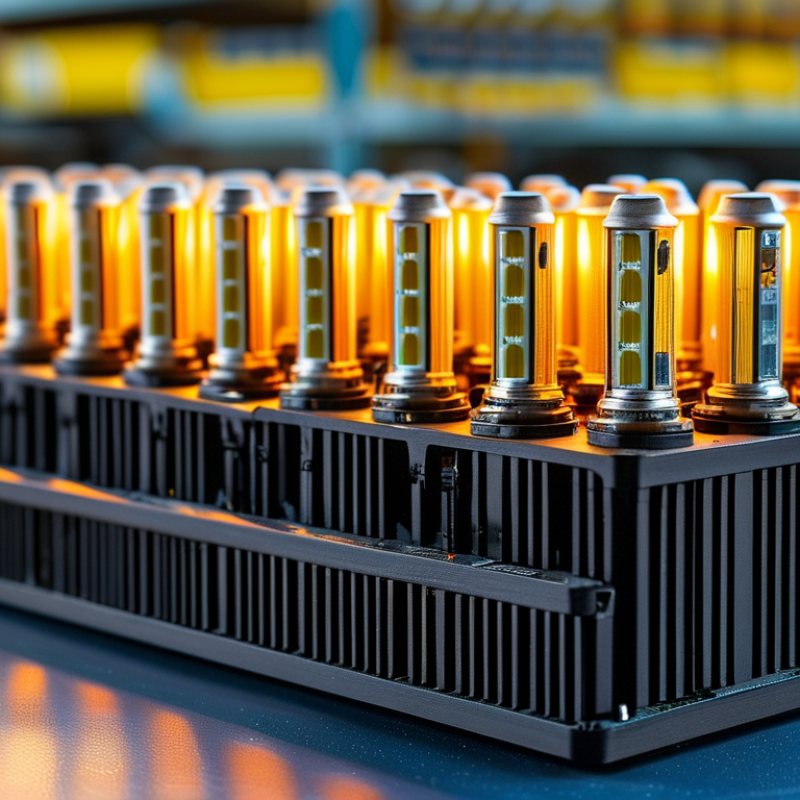
Constant current LED drivers ensure consistent light output by providing a steady current to LEDs, which is crucial for maintaining quality. According to industry reports, around 70% of LED failures stem from inconsistent current supply. This highlights the importance of selecting reliable drivers that can maintain optimal performance over time.
In recent years, the global market for LED drivers has surged. A report indicates that the market size is expected to reach USD 5 billion by 2026, expanding at a compound annual growth rate (CAGR) of over 15%. This growth is driven by the increasing demand for energy-efficient lighting solutions across residential and commercial sectors.
The application of constant current drivers varies from general lighting to specialty areas such as automotive and display backlighting. Specifications often include dimming capabilities and thermal management features. However, not all drivers meet the stringent standards necessary for specific applications. Buyers need to evaluate reliability, efficiency, and compatibility. Recognizing the need for improvement in various products within this sector further emphasizes the importance of thorough research before purchase.
High-quality LED drivers are essential in ensuring optimal performance for LED lighting systems. When shopping for these drivers, certain key features stand out. One critical aspect is the ability to maintain a constant current output. This ensures that LEDs receive a steady flow of power, which is crucial for achieving consistent brightness and prolonging their lifespan. Drivers with this characteristic help prevent flickering, a common issue that can detract from the user experience.
Another important feature is thermal management. Effective heat dissipation methods are vital for driver reliability. LED drivers can generate significant heat during operation, and inadequate cooling can lead to premature failure. Features like built-in thermal protection can help maintain optimal operating conditions. Moreover, power efficiency should not be overlooked. High-efficiency drivers reduce energy waste, leading to cost savings in the long term. However, some drivers may prioritize cost over efficiency, which can impact overall performance and reliability.
Flexibility in design is also a valuable trait of high-quality LED drivers. A versatile driver can adapt to varied input voltages and support dimming capabilities, enhancing the application range. Some drivers may indeed lack the necessary adaptability, which limits their usability. Therefore, careful consideration of the above features is needed for buyers. It's crucial to balance performance, efficiency, and adaptability to choose the right LED driver for specific needs.
| Model | Output Current (mA) | Input Voltage (V) | Efficiency (%) | Dimming Capability | Protection Features |
|---|---|---|---|---|---|
| Model A | 700 | 85-265 | 90 | Yes | Overcurrent, Overvoltage |
| Model B | 350 | 90-240 | 92 | Yes | Short Circuit, Thermal |
| Model C | 500 | 100-240 | 93 | No | Overtemperature |
| Model D | 300 | 85-265 | 91 | Yes | Overvoltage, Short Circuit |
| Model E | 700 | 90-260 | 95 | Yes | Overcurrent, Overtemperature |
| Model F | 600 | 100-240 | 88 | No | Short Circuit, Overvoltage |
| Model G | 450 | 85-265 | 90 | Yes | Overvoltage, Thermal |
| Model H | 800 | 90-240 | 94 | Yes | Overcurrent, Short Circuit |
| Model I | 250 | 100-240 | 89 | No | Overtemperature |
| Model J | 600 | 85-265 | 90 | Yes | Short Circuit, Overvoltage |
Choosing the right constant current LED driver is essential for optimal performance. These drivers maintain consistent current levels to ensure LEDs operate efficiently. Various factors influence your choice, including voltage range, power rating, and thermal management. Understanding these parameters can prevent potential issues and enhance the lifespan of your lighting solutions.
When selecting a driver, consider the operating environment. High temperatures can affect the performance and reliability of drivers. Ensure that your chosen driver has adequate thermal protection measures. Look for drivers with features like overcurrent protection and thermal shutdown to avoid system failures.
Another important aspect is the compatibility with your LEDs. Not all drivers suit every LED type. Ensure that the driver matches the specifications of your LED modules. This alignment minimizes inefficiencies and enhances light quality. It’s wise to consult datasheets and application notes for detailed insights.
Regarding installation, attention to detail can make a difference. Make sure all connections are secure and comply with local electrical codes. Proper soldering or connection techniques can prevent intermittent issues. Regularly inspect the setup for signs of wear or overheating. This proactive approach fosters reliability and longevity in your LED systems.
When assessing LED drivers, performance metrics stand out. Constant current drivers ensure uniform light output, essential for display and architectural lighting. Key metrics include efficiency, thermal performance, and dimming capability. Efficiency impacts energy consumption. Higher efficiency leads to reduced heat generation. This is crucial for maintaining longevity in LED fixtures.
Thermal performance is another critical factor. LED drivers must dissipate heat effectively to prevent damage. Poor thermal management can lead to failures and reduced lifespan. Selecting a driver with robust thermal characteristics is vital. Dimming capability also plays a role in user satisfaction. Drivers that support smooth dimming enhance the user experience.
Comparing these metrics among your options is essential. No single design excels in all areas. Balancing performance and cost is often necessary. Different applications might prioritize different metrics. A driver may shine in efficiency but falter in dimming. This reflects the need for careful selection based on specific requirements. Each choice should be made with an understanding of the intended application.
The LED driver technology market is evolving rapidly. Constant current LED drivers are essential for maintaining consistent lighting levels. They stabilize the output, irrespective of voltage variations. This consistency improves LED performance and lifespan. More buyers are seeking highly efficient solutions.
Sustainability and energy efficiency are trending in the market. Many manufacturers are focusing on minimizing energy waste. This shift also aligns with global energy conservation goals. The demand for smart lighting systems is increasing. Consumers want more control over their lighting environments. These systems often utilize advanced LED drivers.
However, challenges remain. The market is saturated with options, making it hard to choose. Not every product meets high reliability standards. Consumers must consider long-term durability and cost-effectiveness. Investing in reliable technology yields better results. Thorough research and comparison are crucial for informed decisions.
: Constant current LED drivers maintain a steady current to ensure consistent light output. They enhance LED reliability.
Around 70% of LED failures come from inconsistent current supply. A reliable driver prevents this issue.
High-quality drivers maintain constant current, provide thermal management, and offer power efficiency for performance.
Effective thermal management prevents overheating. Overheating can lead to early driver failure, impacting LED lifespan.
Voltage range, power rating, and thermal management are crucial. These factors affect performance and reliability.
Proper connections are vital. Secure soldering techniques prevent intermittent issues, ensuring lasting functionality.
Not all drivers suit every LED type. Mismatches can lead to inefficiencies and reduced light quality.
High temperatures can affect driver performance. Select drivers with adequate thermal protection for reliability.
High-efficiency drivers reduce energy waste and save costs in the long run, but some may skimp on this.
Regular inspections for wear and overheating can help. A proactive approach fosters dependable performance.
This article explores the essential features and advancements in Constant Current LED Driver technology. It begins with an introduction to the principles of these drivers, emphasizing their pivotal role in providing stable and efficient lighting solutions. Key features of high-quality LED drivers are highlighted, including reliability, thermal management, and energy efficiency, all crucial for optimal performance.
The article presents a comprehensive overview of the top 10 Constant Current LED Drivers available in the market, analyzing their performance metrics and how they compare. Furthermore, it delves into the latest market trends and forecasts the future of LED driver technology, suggesting an increasing demand for sophisticated drivers that enhance both design flexibility and energy savings. As the industry evolves, the importance of selecting the right Constant Current LED Driver becomes paramount for manufacturers and consumers alike.