

Expert articles, application notes, and industry guides from AWI Power Co., Ltd.
In-depth insights into AC-DC switching power supplies, pure sine wave inverters, and thermal management.
In the realm of modern energy solutions, selecting the right DIN Rail Power Supply is critical for efficiency. These power supplies have become standard in industrial applications. They offer reliability and adaptability for diverse power requirements. With many options available, navigating this landscape can be daunting.
Choosing a DIN Rail Power Supply involves understanding your specific needs. Factors such as voltage ratings, power levels, and environmental conditions play a significant role. While the allure of high efficiency is tempting, not all models live up to their claims. Some users report inconsistencies with output performance. Such reflections remind us that not every solution is perfect.
Moreover, the importance of quality and brand reputation cannot be overstated. Reputable manufacturers often have a proven track record, which provides a sense of security. However, new brands may offer innovative features, appealing to those willing to test the waters. Ultimately, the right choice depends on careful consideration of your requirements and thorough research. A critical eye is essential in choosing a reliable DIN Rail Power Supply for your energy needs.
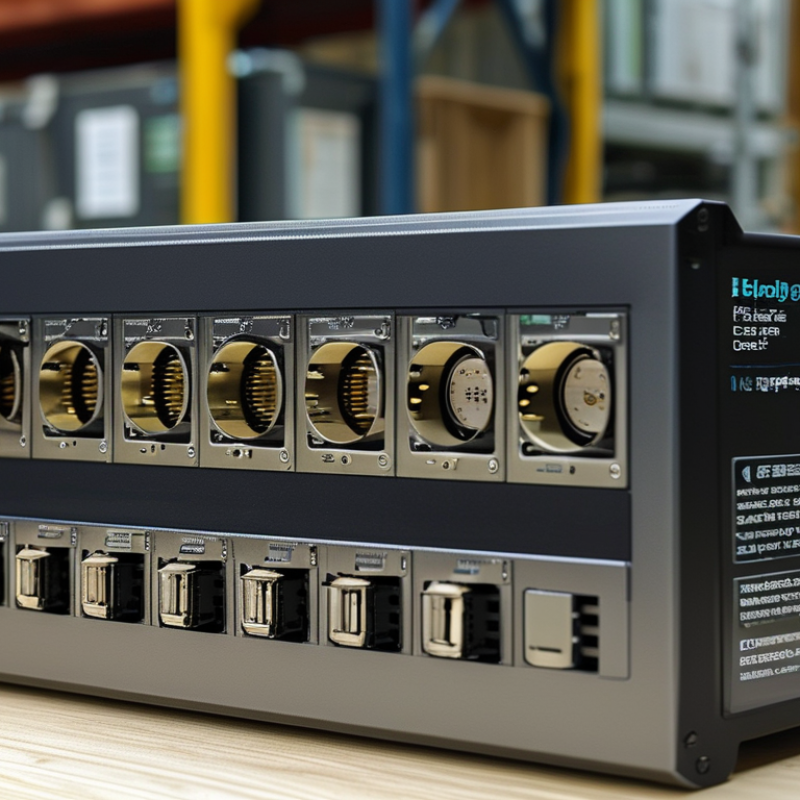
When selecting DIN rail power supplies for industrial applications, several factors come into play. Reliability is paramount. A power supply should withstand harsh environments. It must operate effectively in varying temperatures and humidity levels. Users should also consider the efficiency of the supply. Higher efficiency results in lower operational costs. This is vital for long-term energy savings and sustainability.
Voltage compatibility is another crucial factor. Many systems require specific voltage levels. Make sure the selected power supply meets these demands. Additionally, check for overload protection and short-circuit safeguards. These features enhance the safety of the entire system. Users often overlook size and form factor. Ensuring proper fit on the DIN rail can prevent installation issues.
Lastly, consider the manufacturer's reputation and support. A well-established provider often indicates reliability. Industry certifications can also offer peace of mind. Reviews and expert opinions can guide purchasing decisions. Choosing the right DIN rail power supply requires careful evaluation. Balancing specifications with real-world operational needs is essential.
This chart displays the efficiency ratings of various DIN rail power supplies commonly used in industrial applications. The efficiency values are crucial for selecting the right power supply to enhance energy solutions.
When comparing different DIN rail power supplies, efficiency ratings play a critical role. These ratings indicate how well the device converts input electricity into usable output. A high-efficiency rating means less energy waste, which can lead to cost savings and a reduced carbon footprint. It's essential to look beyond the numbers; understanding the conditions under which efficiency is measured matters significantly.
The discrepancies in efficiency ratings can stem from various factors. For instance, operating temperature, load conditions, and design attributes impact real-world performance. Sometimes, a power supply may have a high rating under ideal conditions but fails to deliver in practical scenarios. Users should consider these nuances when selecting a product.
It's also useful to reflect on specific applications. Are you powering a critical system that requires high reliability? Efficiency might be your top priority here. Yet, in other cases, initial costs may overshadow long-term efficiency benefits. Balancing these factors requires careful consideration of both technical specifications and application needs. This reflective approach can guide users to make informed choices tailored to their unique situations.
| Model | Output Power (W) | Efficiency Rating (%) | Operating Temperature (°C) | Dimensions (mm) |
|---|---|---|---|---|
| Model A | 100 | 92 | -10 to +70 | 90 x 50 x 120 |
| Model B | 150 | 90 | -20 to +75 | 100 x 60 x 130 |
| Model C | 200 | 95 | -30 to +60 | 110 x 70 x 140 |
| Model D | 250 | 93 | -25 to +80 | 120 x 80 x 150 |
DIN rail power supplies are crucial for modern automation systems. These power supplies provide a reliable energy source, contributing to system efficiency. According to a recent market report, the global DIN rail power supply market is expected to grow at a CAGR of 5.8% from 2021 to 2026. This growth showcases the rising importance of efficient energy solutions in industrial applications.
Key features characterize high-performance DIN rail power supplies. One important aspect is the power density. Many units provide more power in a compact form factor. This offers better space management in control cabinets. Another significant feature is temperature resilience. Many models can operate in extreme conditions, maintaining efficiency from -40°C to +70°C. A surprising statistic from industry reports highlights that nearly 30% of power supply failures stem from overheating.
Efficiency ratings also play a pivotal role. Many top options achieve efficiencies exceeding 94%. However, it’s essential to reflect on how these ratings can vary based on load and usage. Regular maintenance is essential for optimal operation. Without it, even high-quality power supplies can degrade performance over time. The market challenges reveal that a balance between cost and performance remains a continuous consideration.
The DIN rail power supply industry is poised for significant growth by 2025. Market analysts predict an increasing demand for compact, efficient energy solutions. This trend stems from the ongoing expansion of automation in industries such as manufacturing, transportation, and building management. As more companies invest in smart technologies, the need for reliable power supplies grows.
Recent developments highlight a shift towards modular and digitally controlled power supplies. These innovations provide flexibility and scalability. Users can adapt their systems based on energy requirements. However, there remains concern over the integration of these advanced systems with existing infrastructure. Companies must ensure compatibility to avoid disruptions.
Sustainability is becoming a key factor. Consumers look for energy-efficient solutions that align with eco-friendly practices. Manufacturers must address this demand while maintaining performance. Balancing efficiency with cost-effectiveness isn’t easy. As the market evolves, continued research and development will be essential. Evaluating the intersection of technology and environmental responsibility will define the industry's future.
The impact of DIN rail power supplies on energy consumption in industrial settings is significant. These devices are designed to optimize power delivery, contributing to energy efficiency and reliability. With their streamlined design, they fit neatly onto standard rails, making installation straightforward. However, their effectiveness depends on correct selection and configuration.
When choosing a DIN rail power supply, consider the total load of your system. Underestimating power needs can lead to inefficiencies. Additionally, frequent load fluctuations can cause stress on the supply, leading to wear and tear. Noticing how voltage levels drop under load is crucial. It may indicate a supply that's not suited for your application.
Monitor power consumption regularly. Regular checks can reveal hidden inefficiencies. Small changes, like replacing older models or recalibrating settings, can lead to noticeable savings. Be wary of overloading your power supply, as this can increase energy waste. The right choice in DIN rail power supplies not only enhances energy efficiency but also supports long-term operational reliability.
: Reliability is the most important factor. It should withstand harsh environments.
Higher efficiency leads to lower operational costs, supporting long-term energy savings.
Ensuring the power supply meets specific voltage demands is crucial for proper operation.
Look for overload protection and short-circuit safeguards for system safety.
Proper fit on the DIN rail prevents installation issues and ensures functionality.
Without maintenance, even high-quality units can degrade and underperform over time.
Higher power density provides more power in a compact form, aiding space management.
Regular checks can identify inefficiencies and lead to significant energy savings.
It can lead to inefficiencies and potential wear on the power supply.
Overloading increases energy waste, which affects overall efficiency negatively.
The article "Top DIN Rail Power Supply Options for Efficient Energy Solutions" explores essential considerations for selecting DIN Rail Power Supplies in industrial applications, emphasizing efficiency and performance. It presents a comparative analysis of efficiency ratings, aiding in the selection of high-performance power supplies crucial for automation systems.
Furthermore, the article highlights key features that enhance the effectiveness of DIN Rail Power Supplies and discusses market trends, forecasting significant growth in this sector by 2025. The impact of these power supplies on energy consumption in industrial settings is also examined, showcasing their potential to optimize energy use and promote sustainability.