

In the rapidly evolving world of lighting technology, understanding the features of a Waterproof LED Driver is crucial for buyers. "Choosing the right driver can significantly impact your lighting performance and longevity," says John Smith, a leading expert in LED solutions. His insights highlight the importance of specific features in waterproof drivers that are often overlooked.
Waterproof LED Drivers are designed to endure harsh environmental conditions. Buyers should pay attention to factors such as IP ratings, which indicate the level of protection against water and dust. A high-quality driver ensures safety and enhances the lifespan of lighting fixtures, providing solid value for investment. However, not all products are created equal, and some may fall short of expectations.
While many products claim to be waterproof, it is essential to scrutinize their specifications. Features like temperature tolerance and waterproofing materials can vary widely. Some drivers may also have performance limitations that can lead to failures. This reality underscores the need for thorough research. Making informed decisions around Waterproof LED Drivers can save end-users from unexpected challenges.
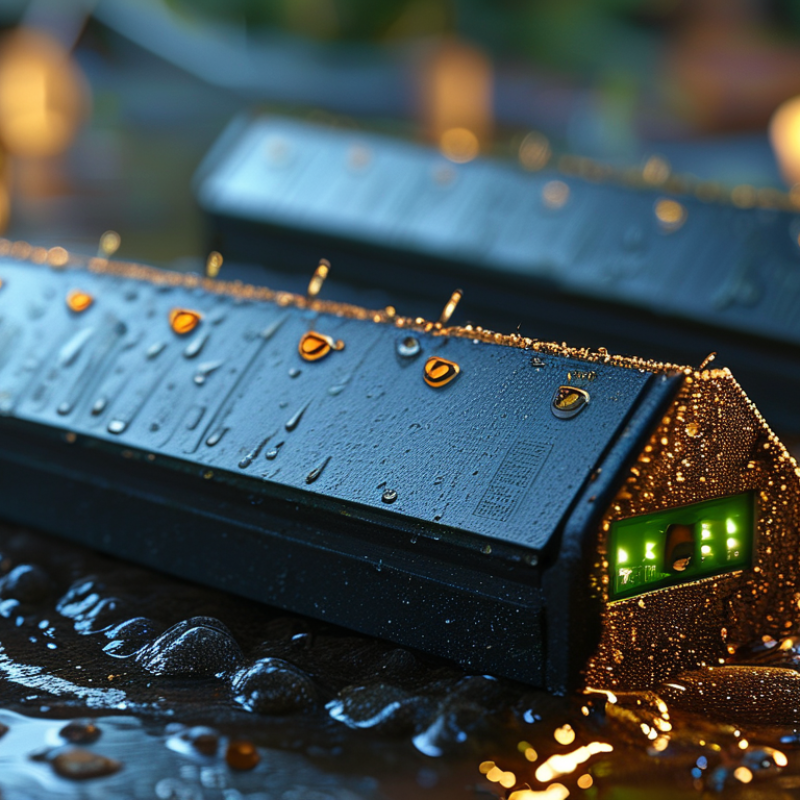
When selecting waterproof LED drivers for outdoor use, several key characteristics come into play. These drivers must effectively withstand harsh weather conditions, ensuring longevity and reliability. A report by the LED Industry Association highlights that up to 30% of LED system failures can be attributed to inadequate waterproofing. Effective sealing and durable housing materials are essential features in preventing moisture ingress.
Another crucial aspect is the driver’s temperature range. Waterproof LED drivers should operate efficiently in a wide range of temperatures. According to a study published by the International Lighting Standard, optimal performance is often achieved in a range from -40°C to 60°C. This is particularly important for outdoor applications where temperature fluctuations can be extreme.
Energy efficiency also plays a vital role. The Department of Energy indicates that LED drivers can account for up to 20% of a system's energy consumption. Choosing drivers with high efficiency ratings not only reduces energy costs but also enhances the durability of outdoor lighting systems. Balancing these features can be challenging. Each application has unique needs, and not all drivers may meet those specifications perfectly. Therefore, buyers must weigh these aspects carefully to ensure they make informed decisions.
| Feature | Description | Importance | Typical Rating |
|---|---|---|---|
| IP Rating | Indicates the level of protection against water and dust. | Critical for outdoor use, preventing water damage. | IP67 or IP68 |
| Operating Temperature Range | Specifies the temperature limits for performance. | Essential for reliability in various climates. | -40°C to 70°C |
| Input Voltage Range | Defines the acceptable voltage levels for operation. | Important for compatibility with power sources. | 100-300V AC |
| Output Current Variation | Indicates how much the output current can vary. | Affects the consistency of LED brightness. | ±5% |
| Efficiency | Measures the output power relative to input power. | Higher efficiency means less energy waste. | 85-95% |
: They must withstand harsh weather, ensuring durability and reliability. Effective sealing is essential.
They should work efficiently between -40°C and 60°C. This range is important for outdoor applications.
It impacts energy costs and the overall durability. Efficient drivers can reduce energy consumption by 20%.
IP ratings indicate protection levels against solids and liquids. They are crucial for driver longevity in outdoor settings.
It ensures total dust protection and water immersion resistance. This is vital for reliable outdoor installations.
Not always. Higher ratings may come with extra costs and might not be necessary for every environment.
No, some may exaggerate their capabilities. It's vital to conduct research and verify claims.
Misjudgment can lead to premature driver failure. Choose ratings that match your specific installation environment.
No, each application has unique needs. Weighing these aspects carefully is crucial for informed decisions.
The article "2026 Top Waterproof LED Driver Features Buyers Must Know" emphasizes the essential characteristics that buyers need to consider when selecting waterproof LED drivers for outdoor applications. Key features include understanding IP ratings, which play a crucial role in ensuring the longevity of the drivers by providing protection against water and dust ingress. Additionally, power efficiency metrics, particularly the distinctions between Class II and Class III drivers, are critical for optimizing energy consumption.
The article also discusses temperature ratings, guiding buyers in selecting drivers capable of withstanding extreme weather conditions, which is vital for outdoor installations. Lastly, it highlights emerging trends in smart technology integration for LED drivers in 2026, predicting a shift towards more intelligent and responsive lighting solutions. Overall, comprehending these aspects of waterproof LED drivers is essential for making informed purchasing decisions.

 English
  中文
中文  العربية
  Français
  Pусский
  Español
  Português