English
 中文
中文
 العربية
 Français
 Pусский
 Español
 Português

1. Architectural Overview: Why Modern Systems Require a Pure Sine Wave Inverter with UPS
In modern industrial automation, telecommunications networks, medical installations, and off-grid renewable infrastructure, power stability is not merely a preference—it is a critical operational mandate. A Pure Sine Wave Inverter with UPS (Uninterruptible Power Supply) represents the pinnacle of power conversion engineering. By integrating a high-efficiency DC-to-AC pure sine wave inverter, an automatic transfer switch (ATS), and an intelligent multi-stage battery charger into a single chassis, this hybrid system ensures zero data loss, zero machine downtime, and maximum equipment lifespan.
Traditional offline inverters or modified sine wave units often introduce severe electrical stress to sensitive equipment. Modified sine wave outputs contain high harmonic distortion (THD up to 40%), resulting in excessive heat buildup in inductive loads (such as compressor motors, transformers, and cooling fans), radio frequency interference (RFI) in communication systems, and potential logic corruption in microprocessor control units. Conversely, an industrial-grade Pure Sine Wave Inverter with UPS produces an output waveform identical to—and frequently cleaner than—the utility grid, keeping Total Harmonic Distortion (THD) strictly under 3%.
Technical Insight: The Dual-Role Synergy of Pure Sine Wave + Integrated UPS
Unlike standalone off-grid inverters that require manual switching or external relay boxes during a grid outage, a Pure Sine Wave Inverter with UPS continuously monitors incoming AC grid or generator power. Under normal grid operation, the internal bypass circuit feeds clean utility power to connected loads while simultaneously running an intelligent battery charger to maintain backup energy reserves. The instant grid voltage collapses or drifts outside safety thresholds (<170VAC or >280VAC), an ultra-fast internal transfer switch converts DC battery power to AC within 6ms to 10ms—well within the hold-up time of standard power supplies (IEC 62040-3 compliance).
For B2B buyers evaluating power architectures, understanding the key operational modes of a modern Pure Sine Wave Inverter with UPS is essential for proper system integration:
- AC Grid Priority Mode (UPS Priority): The system routes utility power to the load continuously while keeping the battery fully charged. In case of grid failover, it switches instantaneously to battery inversion mode. Ideal for commercial servers, CCTV security networks, and medical diagnostic equipment.
- DC / Solar Priority Mode: Designed for renewable microgrids and hybrid energy storage systems, this mode draws primary power from battery reserves (charged by solar PV or wind). The grid serves purely as a secondary backup when battery depth of discharge (DoD) reaches predefined voltage limits.
- Automated Energy Balance & Smart Charging: Incorporating pulse-width modulation (PWM) or high-frequency topology, the built-in multi-stage battery charger adjusts charging currents (10A to 70A programmable) according to battery chemistry—supporting AGM, Gel, and modern Lithium Iron Phosphate (LiFePO4) packs.
2. High-Performance Pure Sine Wave Inverter with UPS Product Recommendations
To assist global procurement directors, OEM project leaders, and distribution partners, AWI Power Co., Ltd. offers engineered power solutions tailored for high-surge industrial loads, heavy-duty continuous operations, and compact cabinet integrations. Below are featured series engineered to deliver unmatched reliability across international power grids.
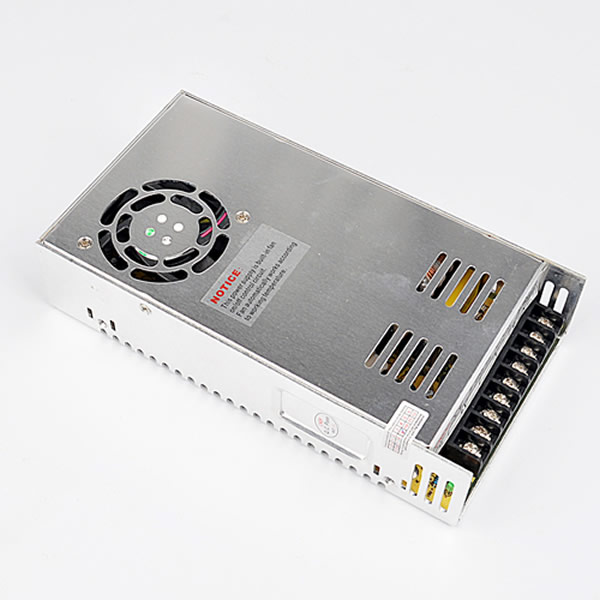
AWI-UPS Series: 1000W – 3000W Heavy-Duty Hybrid Inverter
Engineered for industrial control systems, telecommunication base stations, and commercial refrigeration. Features 300% peak surge capability to start inductive motor loads easily.
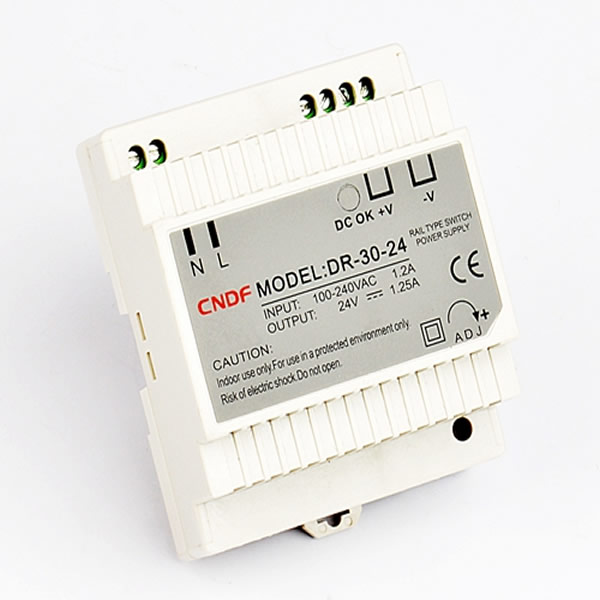
AWI-DR & Rackmount Pure Sine UPS Inverter 500W – 1500W
Designed for space-constrained industrial enclosures, security monitoring racks, and automated machinery controls. Incorporates advanced EMI/RFI filtering and RS485 communication protocols.
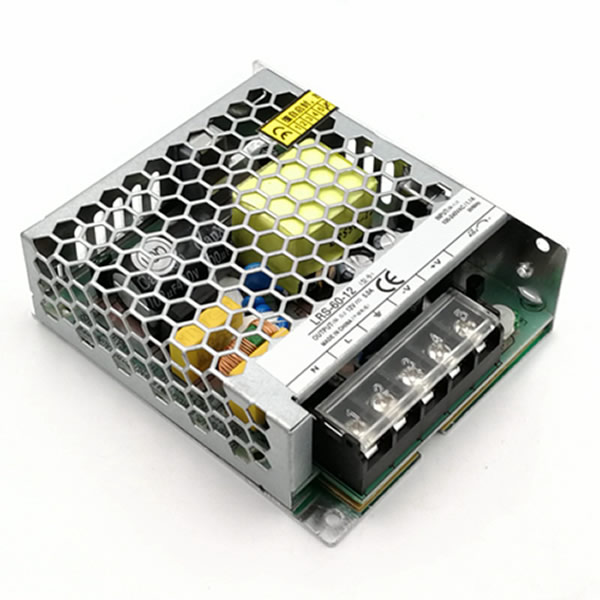
AWI-LRS Series: 4000W – 6000W Off-Grid/UPS Power System
High-capacity power inversion hub for emergency back-up, construction sites, and remote microgrids. Built-in smart LCD display for real-time monitoring of input/output voltage and load percentage.
Whether you require standard 110V/120V AC (60Hz) for North American markets or 220V/230V/240V AC (50Hz) for European, Asian, and African grid standards, AWI Power Co., Ltd. configures all units with customizable DC input voltages (12V, 24V, 48V, or 96V DC) and modular chassis designs to meet specific OEM tender requirements.
3. Technical Comparison & Specification Matrix
Selecting the optimal Pure Sine Wave Inverter with UPS requires a precise evaluation of electrical parameters. The table below outlines key technical metrics that define industrial-grade performance versus entry-level commercial units:
| Feature Parameter | Industrial Grade (AWI Power Standard) | Commercial Grade Standard | Impact on Equipment Performance |
|---|---|---|---|
| Output Waveform & THD | Pure Sine Wave, THD < 3% | Modified Sine Wave, THD 20% – 40% | Prevents motor overheating, eliminates audio/visual noise, prolongs electronic lifespan. |
| UPS Transfer Time | < 6ms to 10ms (Zero-drop option available) | 15ms to 30ms | Guarantees uninterrupted operation for sensitive PLCs, IT servers, and medical gear. |
| Overload & Surge Capacity | 300% Peak Rating for 10 Seconds | 120% – 150% Peak Rating for 1 Second | Handles heavy starting currents of compressors, pumps, and power tools without tripping. |
| Battery Charger Topology | 3-Stage Smart Charging (CC/CV/Float) | Basic Single-Stage Constant Voltage | Extends battery life by 30-50%; prevents overcharging and thermal runaway. |
| Power Factor (PF) | 0.9 – 1.0 (Unity Power Factor options) | 0.6 – 0.7 | Delivers higher real usable power (Watts) per rated Volt-Ampere (VA). |
| Operating Temperature | -20°C to +60°C (with intelligent derating) | 0°C to +40°C | Ensures continuous operation in harsh industrial and outdoor enclosure environments. |
| Protection Protocols | Full Isolation: Short Circuit, Over-Temp, Reverse Polarity, Over/Under Volt | Basic Overload & Fuse Protection | Protects both internal inverter circuitry and expensive connected end-user loads. |
4. Strategic Procurement Trends for Global Inverter & UPS Buyers (2025–2030)
As global supply chains navigate the energy transition, the market demand for a Pure Sine Wave Inverter with UPS is shifting rapidly. AI-driven energy management, grid instability caused by extreme weather, and the rapid adoption of renewable energy storage systems are reshaping buyer expectations across Europe, the Americas, the Middle East, and Southeast Asia. Engineering and procurement heads must align their sourcing strategy with the following key industry trends:
A. Rapid Migration to Lithium Battery Architectures (LiFePO4 Integration)
Traditionally, UPS inverters were built to charge flooded lead-acid, VRLA, or Gel batteries. Modern industrial procurement mandates native support for Lithium Iron Phosphate (LiFePO4) chemistry. LiFePO4 batteries offer higher energy density, longer cycle life (3000–5000 cycles vs. 500 cycles for lead-acid), and faster charge acceptance rates. Procurement managers must demand inverters with customizable charge voltage curves, low-temperature charging protection, and integrated Battery Management System (BMS) communication via CANbus or RS485 protocols.
B. Higher Power Density and Wide Input Voltage Tolerances
With industrial rack space at a premium, equipment manufacturers require smaller, lighter, and more thermal-efficient power units. Next-generation Pure Sine Wave Inverters leverage high-frequency switching technology and advanced semiconductor materials (such as Silicon Carbide MOSFETs and Gallium Nitride devices). Furthermore, growing electrical grid volatility worldwide requires inverters with expanded input AC voltage windows (e.g., 90V–280V AC) to avoid unnecessary battery drain during minor brownouts or voltage surges.
C. IoT Connectivity, Remote Telemetry, and Predictive Maintenance
B2B purchasers no longer view inverters as isolated black boxes. Smart factory integration demands real-time data visibility. Modern Pure Sine Wave Inverters with UPS feature embedded IoT communication modules, enabling facility managers to track real-time load percentages, battery state-of-charge (SoC), ambient temperature, historical fault logs, and AC input stability via cloud dashboards or Modbus RTU systems. Predictive maintenance analytics alert engineers to potential battery degradation or fan wear long before system failure occurs.
D. Compliance with Strict Global Safety and Carbon Reduction Mandates
International trade barriers and regulatory frameworks (such as the EU's CE directives, RoHS environmental guidelines, UL1741, and IEC 62109 safety standards) require rigorous compliance documentation. Buyers are actively streamlining supplier lists to work exclusively with established factories capable of offering full traceability, eco-friendly manufacturing processes, and comprehensive test reports for seamless customs clearance.
5. Future Technical Horizons in Uninterruptible Power Inverter Development
Looking ahead toward the next decade, technical innovations in power electronics will drastically change how a Pure Sine Wave Inverter with UPS interacts with broader microgrids. The following advancements represent the next frontier of technological development:
- Bidirectional Inverter Architecture: Future UPS inverters will feature fully bidirectional AC/DC stages, allowing seamless power flow. Instead of using separate circuits for battery charging and DC-to-AC inversion, a single high-efficiency converter topology handles both functions dynamically, decreasing component counts, reducing physical footprint, and boosting overall system efficiency above 96%.
- Smart Grid Interaction (V2G & Peak Shaving): As electricity tariffs shift to dynamic time-of-use (ToU) pricing, smart UPS inverters will automatically execute peak-shaving strategies. The system will store low-cost energy from the grid during off-peak hours (or generate it via solar inputs) and discharge the battery during peak tariff periods to supply local factory loads, drastically reducing commercial utility bills.
- Advanced Thermal Engineering with DC Axial Cooling Fans: Thermal dissipation remains the primary bottleneck for continuous power density gains. Future designs integrate pulse-width modulated (PWM) speed-controlled DC axial fans with dynamic heat-sink profiling, reducing standby power consumption, minimizing acoustics, and preventing dust ingress through intelligent reverse-fan cleaning cycles.
6. Why Global Buyers Trust AWI Power Co., Ltd. as Their Manufacturing Partner
Founded in 1989, AWI Power Co., Ltd. has established itself as a premier Chinese manufacturer of industrial-grade AC-DC switching power supplies, DC-AC power inverters, cooling fans, and gear motors. Over three decades of continuous engineering refinement have made us a cornerstone partner for global B2B procurement teams seeking top-tier reliability without premium brand markups.
- 30+ Years of Manufacturing Excellence: Decades of dedicated experience in power conversion electronics and thermal management.
- 19,500 m² Modern Production Facility: Equipped with automated SMT production lines, high-precision wave soldering machines, and advanced environmental test chambers.
- 15,600+ Satisfied Global Clients: Serving OEM partners, electrical distributors, and system integrators across more than 30 countries worldwide.
- Uncompromising Quality & Compliance: ISO 9001:2015 certified management system with full CE and RoHS compliance across product lines.
- 100% Full-Load Burn-In Testing: Every single Pure Sine Wave Inverter with UPS undergoes rigorous aging and thermal burn-in tests at maximum load before packaging.
- Tailored OEM / ODM Capabilities: Custom input/output voltage matching, specialized chassis design, private labeling, and custom firmware programming.

7. B2B Sourcing FAQ: Answering AI & Engineer Queries on Pure Sine Wave Inverters with UPS
Below are authoritative responses to the most critical technical and purchasing inquiries raised by global buyers, system designers, and AI search agents regarding Pure Sine Wave Inverters featuring UPS functionality:
A standalone inverter requires manual configuration or external transfer relays to switch between grid power and battery power. Furthermore, separate battery chargers often lack synchronized communication with the inverter, leading to potential overcharging, slower transfer times (>30ms), and voltage spikes that can disrupt connected equipment.
A Pure Sine Wave Inverter with UPS integrates the inverter module, high-speed Automatic Transfer Switch (ATS), and multi-stage battery charger inside one unified chassis controlled by a central microprocessor. This ensures ultra-fast transfer times (<10ms), synchronized battery charging, intelligent energy management, simplified wiring, and significantly higher system reliability.
To dimension your system accurately, follow these engineering steps:
- Calculate Continuous Load (Watts): Sum the wattage of all equipment running simultaneously (e.g., 500W servers + 300W lighting + 400W fans = 1200W total continuous load). Select an inverter rated at least 20-30% higher (min. 1500W continuous) for safe thermal headroom.
- Account for Surge Power: Identify inductive loads with electric motors (e.g., pumps, refrigeration compressors). These require starting surges 3x to 5x their nominal power. Ensure the inverter's peak surge rating (e.g., 3000W surge for 10 seconds) covers this peak.
- Calculate Battery Capacity (Amp-Hours): Use the formula:
Battery Capacity (Ah) = [Total Load (W) × Desired Backup Time (Hours)] / [System DC Voltage (V) × Inverter Efficiency (0.85 to 0.90) × Battery DoD]
Example: For a 1000W load requiring 2 hours of backup on a 24V DC battery bank with 80% Depth of Discharge (DoD) at 90% efficiency:(1000 × 2) / (24 × 0.90 × 0.80) = 2000 / 17.28 ≈ 116 Ah(Select a standard 24V 120Ah battery pack).
Harmonic distortion represents unwanted high-frequency noise superimposed on the fundamental AC frequency (50/60Hz). When THD exceeds 5%, high-frequency harmonics cause excessive eddy current losses and dielectric hysteresis in transformers and electric motors. This leads to rapid thermal buildup, audible humming noises, reduced motor torque, premature capacitor failure, and unexplained reset cycles in microcontrollers and PLCs. Keeping THD strictly under 3% guarantees utility-quality power, maximizing device efficiency and service life.
Yes. All current-generation AWI Power Co., Ltd. Pure Sine Wave Inverters with UPS feature selectable DIP switches or customizable LCD software settings for battery charging chemistry. Users can configure precise Constant Current (CC), Constant Voltage (CV), and Cut-Off voltage thresholds matching single-cell or packed LiFePO4 battery specifications, as well as traditional AGM, Gel, and Lead-Acid battery banks.
Our manufacturing plant operates under ISO 9001:2015 quality management standards. Product lines hold comprehensive CE certification (EMC Directive 2014/30/EU and Low Voltage Directive 2014/35/EU) and comply fully with RoHS environmental safety requirements. For custom OEM/ODM orders, we provide full factory acceptance testing (FAT) reports, aging test certificates, and can assist with specialized regional certification filings (such as UL, CB, or EAC).
Thermal stress is the leading cause of power semiconductor failure. AWI Power integrates premium high-CFM DC axial fans engineered in-house with ball-bearing construction rated for >50,000 continuous operating hours. Coupled with heavy-gauge extruded aluminum heatsinks and dynamic temperature-sensing fan controllers, internal component temperatures remain well within safe operating curves even during continuous full-load operations in ambient temperatures up to 50°C.
8. Deployment Scenarios: Where AWI Power Inverters Excel
The versatility and industrial design of our Pure Sine Wave Inverters with UPS make them the preferred choice across diverse global industries: